Showing posts with label HERBS. Show all posts

9 Healing Herbs For A Natural Medicine Cabinet: Grow Your Own Healing Herb Garden

Natural Society
herb green 263x164 9 Healing Herbs for a Natural Medicine Cabinet: Grow Your Own Healing Herb GardenInstead of filling your medicine cabinet with a bunch of questionable pharmaceutical drugs that keep Big Pharma in business, why don’t you just grow your own inexpensive, natural healing herbs at home? This way, you’ll have your very own healing garden to keep doctor visits to a minimum, and you can sleep soundly knowing that you’re capable of taking your health into your own hands.
Herbs are usually quite hearty as plants, and you can grow them in smaller spaces. These herbs can be grown outdoors or in containers on your patio. You can even grow them in your own kitchen if you prefer to keep your ‘natural medicine cabinet’ indoors.
Here are 9 amazing healing herbs any novice gardener can grow.
  • 1. Basil – Basil has numerous medicinal uses, from acting as a natural anti-inflammatory to reducing flatulence, and nausea. It also has mild antiseptic properties and can boost appetite. Basil can also be used ground up as a salve for minor cuts and scrapes. This plant is an annual,however, so you will need to replant it every year. Check out some health benefits of basil here.
  • 2. Ginkgo Biloba – Ginkgo Biloba is the herb to keep your brain sharp as a tack. It aids in mental alertness while fighting viral and respiratory infections. It has been called a living fossil with a plant heritage that goes back more than 270 million years. Both the stem and leaves can be used for their medicinal qualities.
  • 3. Ma-huang – This Chinese herb is wonderful for boosting mood and reducing fatigue. It has also been known to aid in weight loss due to appetite suppression.
  • 4. Red Clover – A wonderful herb that relieves both arthritis symptoms and headaches, red clover has also been used to treat menopausal symptoms due to its isoflavones compounds. It is a perennial with beautiful pink bursts for flowers.
  • 5. German Chomomile – This herb can provide relief from constipation, anxiety and sleeplessness. It lowers stress and reduces heartburn. An easy-to-grow plant, chamomile can help treat stress without the need for anti-depressants or sleeping pills. Check out other chamomile benefits here.
  • 6. Lemon Balm – Since most disease is eventually an outgrowth of stress, Lemon Balm is also included in this list as a great stress-reducer. Harnessing medicinal uses, lemon balm is a calming herb that has been used since the Middle Ages. It eases pain, promotes good sleep and can give someone an appetite back if they’ve lost their desire to eat. It can also treat some venomous insect bites and stings.
  • 7. Feverfew – A perennial plant that has been used in European folk remedies for centuries, this flower lives up to its name by reducing a fever. It is a wonderful herb for migraines as well. It’s said that chewing on the leaves can reduce the symptoms of arthritis.
  • 8. Parsley – This herb promotes energy and improves blood circulation. It is good for the stomach, fights kidney infections, bladder ailments, flatulence, and help with bad breath or even anemia. Parsley is also a diuretic. It has to be replanted every two years since it is a biennial. >Parsley Health Benefits<
  • 9. Dong Quai – This Chinese herb can help to restore hormonal balance in the body and improves menstruation. It aids in recovery from childbirth and supports women throughout their pregnancy. It also aids in nerve pain, headache relief, and strengthening the blood for those who suffer form heart conditions. Dong Qaui, meaning ‘return to order’, is in the same family as parsley and carrots.


Source: http://naturalsociety.com/grow-9-healing-herbs-natural-medicine-cabinet/


HERB ... DRYING

Follow THEMADHATTERXXX on Twitter

DRYING HERBS


When drying herbs, remember that any herb with small leaves or woody stems should not be dried in the stove, but rather by hanging them up. Dry herbs naturally, with drying trays or by hanging them up.


HERB ... ROSEMARY

Follow THEMADHATTERXXX on Twitter

ROSEMARY


Common name for Rosmarinus officinalis, a hardy evergreen sub-shrub grown chiefly for its aromatic leaves which are used in culinary seasoning and which yield an oil once used in medicine. Small light blue flowers are borne in April or May, in loose clusters that spring from the leaf axils. The foliage is white and woolly on the under side and dark and shiny above. Plants can grow to a height of 6 feet and last for years if given winter protection.

Rosemary prefers dry, well-drained soil and in the South and Pacific Coast States, where soil is dry and rocky, they are planted as hedges. There is also a low-growing or prostrate variety.


Rosemary grows well with occasional watering, and does much better where the soil is alkaline. All varieties prefer full sun and most can tolerate slightly shady areas.

Rosemary propagates easily by taking six inch long stem cuttings that are stuck in a mixture of sand, loam, and leaf mold, ideally in a controlled environment such as a greenhouse or cold frame.

Growing Rosemary

Growing Cultures
Outdoors, containers, hydroponics.

Plant Height
Rosemary plants grow to a height of 36 to 48 inches (90 - 120cm).

Plant Spacing
Rosemary plants should be spaced 18 to 24 inches (45 - 60cm) apart.

Preferred pH Range
Rosemary will grow in a pH range between 6.0 (mildly acidic) and 8.5 (alkaline) with a preferred range between 6.0 and 7.5.

Propagation
Sow indoors in sunny location or under plant grow lights eight weeks before last frost. Rosemary propagates well via stem cuttings.

Seed Germination Period
15 to 25 days.

Seeds Per Gram (Approximate)
1,000.

Soil Requirements
Light and well-draining.

Alternative Growing Media
Soilless potting mixes, perlite, vermiculite, rockwool, coco peat, Oasis foam.

Time From Seed to Saleable Plant
Sow in seed flats 22 weeks before sale in 10cm diameter pots. Seeds to finished plugs, 12 weeks; plugs to saleable plants, 10 weeks.

Sun & Lighting Requirements
Rosemary grown outdoors prefers full sun.


FURTHER NOTES :

MEDICINAL ... For a tonic against headaches put some sprigs into a teapot add hot water strain and serve.

Can be used as a disinfectant, for headaches, fever, as a mouth wash and for rheumatism.

DRINK ... A few sprigs of rosemary added to the tea pot makes a delicious drink, don't use milk and try with a bit of honey.


HERB ... CHIVES

Follow THEMADHATTERXXX on Twitter

CHIVES


A perennial, hardy species of onion (Allium schoenoprasum), whose small, slender, hollow leaves, chopped fine, are used for flavoring salads, stews and soups. Handled like onions, the small oval bulbs multiply rapidly, form clumps, develop abundant foliage 6 to 8 inches high and small round heads of tiny lavender flowers.

As both foliage and flowers are attractive in appearance (though onion-scented), the plants are often used for edging flower beds; but unless the flower-heads are cut or the seed is gathered promptly, self-sown seedlings may prove troublesome weeds. For best results the clumps should be divided every second or third year.


Growing Chives

Growing Cultures
Outdoors, containers, hydroponics.

Plant Height
Chives grow to a height of 12 to 18 inches (30 - 45cm).

Plant Spacing
Chives should be spaced 6 to 9 inches (15 - 22cm) apart.


Preferred pH Range
Chives will grow in a relatively wide pH range between 6.1 (mildly acidic) and 7.8 (mildly alkaline).

Propagation
From seed. Start seeds indoors six weeks before planting outdoors. By division, leaving about a half a dozen small bulbs in a clump which will develop nicely into a full size plant.

Seed Germination Period
15 to 21 days.

Seeds Per Gram (Approximate)
Between 200 and 750.

Soil Requirements
Well drained, fertile and rich in humus.

Alternative Growing Media
Soilless potting mixes, perlite, vermiculite, rockwool, coco peat, Oasis foam.

Time From Seed to Saleable Plant
Seeds to finished plugs, 12 to 16 weeks; plugs to saleable plants, 11 weeks.

Sun & Lighting Requirements
Chives grown outdoors prefer full sun.

Water Requirements
Water on a regular schedule, taking care to not overwater.

Potential Pests & Diseases
Aphids, thrips. Minimal disease issues.

Special Notes
Chives are known to attract bees and repel deer.


HERB ... CHAMOMILE

Follow THEMADHATTERXXX on Twitter


An erect annual (Matricaria recutita),with small, daisylike flowers, is used to make chamomile tea and posessing a number of medicinal qualities.

German Chamomile seeds are one of the few seeds that need light to germinate, so starting them by seed is a delicate process. It is best planted outdoors in August by broadcasting the seed and mixing very lightly with the soil. Alternatively, they can be started indoors in propagation flats in March and transplanted outdoors after a hardening off period. In most cases, direct planting in the garden after all chance of frost has passed are successful, as well. Once they are firmly established, German Chamomile is extremely hardy.

Chamomile tea can be sprayed on propagation flats to prevent damping off. It is also believed to increase the absorption of calcium when added to a compost pile.


How to Make an Herbal Steam with Chamomile


Growing German Chamomile

Growing Cultures
Outdoors, containers, landscaping, mass plantings. German chamomile not recommended for containers.

Plant Height
Chamomile grows to a height of 20 to 30 inches (50 - 70cm).

Plant Spacing
Chamomile plants should be spaced 6 inches (15 cm) apart.

Preferred pH Range
Chamomile will grow in a relatively wide pH range between 5.6 (acidic) and 7.5 (neutral).

Propagation
From seed. Direct sow in spring or fall. Fall sown seeds germinate following spring. Seeds need light to germinate.

Seed Germination Period

7 to 14 days.

Seeds Per Gram (Approximate)
10,000 to 18.000.

Soil Requirements
Well drained, poor to average soil.

Alternative Growing Media
Soilless potting mixes, perlite, vermiculite, rockwool, coco peat, Oasis foam.

Time From Seed to Saleable Plant

Seeds to finished plugs, 6 weeks; plugs to saleable plants, 6 to 6 weeks.

Sun & Lighting Requirements

Chamomile grown outdoors prefers full sun but will tolerate some shade.


HERB ... CAT MINT

Follow THEMADHATTERXXX on Twitter


HOW TO PLANT CATNIP FROM SEED


HERB ... BASIL

Follow THEMADHATTERXXX on Twitter


Basil


Basil, the common name forOcimum basilicum, is a popular sweet herb of the Mint Family esteemed for flavoring and formerly used for medicinal purposes. An annual of the tropics, it is tender and should not be attempted outdoors until the weather is warm.


Basil grows easily from seed which may be sown in the garden or started indoors. Basil also grows well indoors under fluorescent and HID plant growing lights.


The small flowers are white or purple, but the plant is grown for its sometimes purple tinged leaves, which are cut during the growing season and used fresh or dried in bundles.


Growing Basil


Plants should be transplanted or thinned to stand 6 to 10 inches apart; they prefer a quick draining, light soil in a warm location.


If the soil is rich, a plant cut back will develop successive crops of foliage until fall. At that time, roots of strong plants can be lifted and potted up to be moved indoors for a winter supply. 


Although basil will grow best outdoors, it can be easily grown indoors in a container or hydroponic planter and, like most herbs, will do best on a south-facing windowsill (in the Northern Hemisphere). It should be kept away from any drafts, and must have plenty of sunlight, therefore a greenhouse or cold frame is ideal if available.


Basil plants whose leaves have wilted from lack of water will normally recover if they are watered thoroughly and immediately placed in a sunny location.

 Basil can also be propagated very reliably from cuttings.

Leaf production slows or stops on any stem which flowers, so you should pinch off any flower stems to keep the plant in production, or pinch off some stems while leaving others to bloom for decoration or seeds. Once you do let the plant flower, it will produce seed pods containing small black seeds which you can save and plant the following year. Picking the leaves off the plant helps promote continuouse growth, largely because the plant responds by converting pairs of leaflets next to the topmost leaves into new stems.


Growing Cultures

Outdoors, containers (sow direct in final pots, or in plugs and later transplant to final pots), hydroponics. Nighttime temperature must not go below 10°C.


Plant Height

Basil usually grows to a height of 12 to 18 inches (30 - 45cm).

Plant Spacing

Basil plants should be spaced between 9 and 12 inches (22 and 30 cm) apart.

Preferred pH Range

Basil will grow in a very wide pH range between 5.1 (strongly acidic) and 8.5 (alkaline) with a preferred range of 5.5 (strongly acidic) to 6.5 (mildly acidic).

Propagation

Sow seed indoors before last frost or direct sow outdoors after last frost. Basil is easily propagated through herbaceous stem cuttings.

Seed Germination Period

5 to 10 days.

Seeds Per Gram (Approximate)

500 - 1000.

Soil Requirements


Well drained, average to rich soil.

Alternative Growing Media

Soilless potting mixes, perlite, vermiculite, rockwool, coco peat, Oasis foam.

Time From Seed to Saleable Plant

Seeds to finished plugs, 8 weeks; plugs to saleable plants, 5 weeks.

Sun & Lighting Requirements

Basil grown outdoors prefers full sun.


O▬▬▬▬▬▬▬▬ ...XXX...▬▬▬▬▬▬▬▬O


HERB ... LEMON BALM

Follow THEMADHATTERXXX on Twitter

LEMON BALM


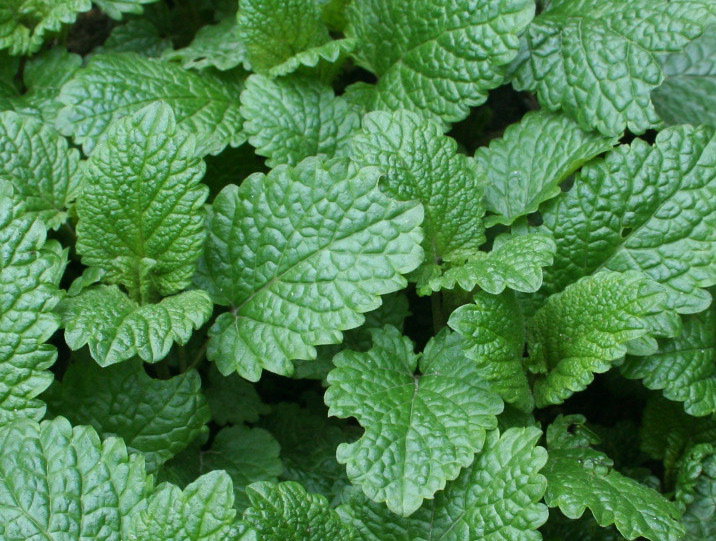
Common name for Melissa officinalis, an aromatic, sweet herb of the Mint Family grown in the herb garden for seasoning, and also used in liqueurs and historically, as a medicine. It grows to 2 feet tall and has small 2-lipped flowers in late summer, and leaves of a decided lemon odor and flavor.

Of Old-World origin, it is widely naturalized in America. It is easily increased by division or by seeds sown in the hotbed or coldframe.


Growing
Lemon Balm


This herb is relatively easy to cultivate outdoors in United States Department of Agriculture Plant Hardiness Zones 4 through 9. In zone 4, it needs winter mulch and a well-drained sandy soil to survive.

Lemon balm grows in clumps and spreads vegetatively as well as by seed. In mild temperate zones, the stems of the plant die off at the start of the winter, but shoot up again in spring. It can be easily grown from stem cuttings, or from seeds. Under ideal conditions, it will seed itself prolifically and can become a nuisance in gardens.

Growing Cultures
Outdoors, containers, hydroponics.

Plant Height
Lemon balm grows to a height of 12 to 18 inches (30 - 45cm).

Plant Spacing
Lemon balm plants should be spaced between 12 and 15 inches (30 and 38 cm) apart.

Preferred pH Range
Lemon balm will grow in a relatively wide pH range between 5.6 (acidic) and 9.0 (strongly alkaline) with a preferred range of 6.0 to 7.5.

Propagation
From seed. Start seeds indoors six to eight weeks before last frost.

Seed Germination Period
12 to 21 days.

Seeds Per Gram (Approximate)
2,000

Soil Requirements
Fertile, well-drained clay or sandy loam.

Alternative Growing Media
Soilless potting mixes, perlite, vermiculite, rockwool, coco peat, Oasis foam.

Time From Seed to Saleable Plant
Seeds to finished plugs, 6 weeks; plugs to saleable plants, 5 weeks.

Sun & Lighting Requirements
Lemon balm grown outdoors prefers full sun, but is mildly shade-tolerant. In dry climates, it grows best in partial shade.

Water Requirements
Requires consistently moist soil, do not let soil dry out in between waterings. Water on a regular schedule, taking care to not overwater.

Potential Pests & Diseases
Whitefly, spider mite, thrip. Susceptible to powdery mildew.

Special Notes
Lemon balm may be considered a noxious weed or invasive plant in some areas. Lemon balm is drought tolerant and is useful in xeriscaping. Lemon balm is known to attract bees, butterflies or birds and has fragrant blossoms. Lemon balm self-sows freely; remove flowers (deadhead) if you do not want volunteer seedlings the following season.


A CLOSER LOOK AT LEMON BALM


LEMON BALM CURES COLD SORE ... NATURAL LIP BALM


LEMON BALM TEA


HERB ... LAVENDER

Follow THEMADHATTERXXX on Twitter

LAVENDER


Common name for a genus (Lavandula) of fragrant herbs or shrubs of which a Mediterranean subshrub species (L. spica) is grown for ornament in the garden and for its sweet scent when dried. The dried flowers are used to fill sachets and to perfume clothing or linens. Commercially they, and the green parts, are used for making "oil of spike," aromatic vinegar and lavender water.

True lavender, not being fully hardy, is little grown in northern gardens, where it must be protected over winter by mulching. It is more popular, therefore, in the milder Pacific Coast and in the South. As seed produces variable plants, propagation is commonly by cuttings of selected plants. Taken of one-year-old "wood" in spring, these are set in a shady place, 4 inches apart, and kept cultivated for a year.


Then they are transplanted not less than 2 feet asunder in permanent quarters in dry, light, limy, friable soil and full sunlight. In such a location they thrive best, develop the maximum fragrance and are least likely to be injured in winter. In wet soils, they grow but poorly; in rich soils, they become lush and sappy, and in both types they lack fragrance and easily succumb to frost.


Growing Lavender

Growing Cultures
Outdoors, containers, hydroponics.

Plant Height
Lavender grows to a height of 12 to 18 inches (30 - 45cm).

Plant Spacing
Lavender plants should be spaced 18 to 24 inches (45 - 60cm) apart.

Preferred pH Range
Lavender will grow in a relatively wide pH range between 6.1 (mildly acidic) and 8.5 (alkaline) with a preferred range between 6.5 and 7.5.

Propagation
From seed, sow indoors six weeks before last frost. Propagates well through softwood and semi-hardwood cuttings.

Seed Germination Period

10 to 28 days. Germination of english types (L. angustifolia) is frequently below 50 percent; scarification or freezing of seedflat can sometimes improve germination.

Seeds Per Gram (Approximate)
Between 850 and 1300.

Soil Requirements
Light, well-drained, deep, not overly rich soil.

Alternative Growing Media
Soilless potting mixes, perlite, vermiculite, rockwool, coco peat, Oasis foam.

Time From Seed to Plant
Sow seeds 20 to 26 weeks before sale. Seeds to finished plugs, 12 to 16 weeks. Plugs to saleable plant, 8 to 10 weeks.

Sun & Lighting Requirements
Lavender grown outdoors prefers full sun but can tolerate some shade.

USDA Hardiness
5a to 9b.

Water Requirements
Water on a regular schedule, do not overwater.

Potential Pests & Diseases
Mealybug, whitefly, spider mites, scale. Minimal disease issues.

Special Notes
Lavender is known to attract bees, butterflies or birds. Fragrant flowers. Suitable for containers.


PROPAGATION FROM CUTTINGS


PLANTING LAVENDER


HOW TO MAKE A LAVENDER WAND


HOW TO MAKE LAVENDER PILLOWS


HERB ... FENNEL

Follow THEMADHATTERXXX on Twitter


FENNEL


A hardy, perennial European herb (Foeniculum vulgare) grown as an annual for its aromatic seeds and fragrant young leaves, both of which are used for flavoring. As the seed is slow to sprout, sow it early in spring. The plants require full sunlight but only the simplest culture in any good garden soil.

In Florence or Sweet Fennel (var. dulce) the greatly enlarged leaf bases form a bulb-like structure 3 to 4 inches in diameter which is called the "apple". When blanched by earthing up it is cooked as a vegetable, but the stalks, resembling anise-flavored celery, can also be eaten raw. As the plants grow rapidly, make successional sowings two weeks apart.


It propagates well by seed, but can also be propagated by root and crown division. The seed can also be planted late in fall. When well established, thin plants to stand 8 to 12 inches apart in the row. Plants can also be started indoors and transplanted to the field when 3 or 4 inches tall.


Growing Fennel

Growing Cultures
Outdoors, containers (sow directly in pots, do not transplant), hydroponics.

Plant Height
Fennel grows to a height of 18 to 24 inches (45 - 60cm).

Plant Spacing
Fennel plants should be spaced 9 to 12 inches (22 - 30cm) apart.

Preferred pH Range
Fennel will grow in a relatively wide pH range between 6.1 (mildly acidic) and 8.0 (mildly alkaline) with a preferred range between 7.0 and 8.0.

Propagation
From seed. Direct sow outdoors in fall or in spring after last frost, does not transplant well.

Seed Germination Period
8 to 12 days.

Seeds Per Gram (Approximate)
Between 200 and 300.

Soil Requirements
Well-drained, deep, moderately fertile soil.

Alternative Growing Media
Soilless potting mixes, perlite, vermiculite, rockwool, coco peat, Oasis foam.

Time From Seed to Saleable Plant
Ten weeks.

Sun & Lighting Requirements
Fennel grown outdoors prefers full sun.

USDA Hardiness
8a to 10b. Fennel florance grown as annual.

Water Requirements
Water on a regular schedule, do not overwater.

Potential Pests & Diseases
Aphids. Damping off.

Special Notes
Fennel is known to attract bees, butterflies or birds. Suitable for containers.


GROWING FENNEL FROM SEED


POTTING UP FENNEL


HOW TO USE FENNEL


HERB ... DILL

Follow THEMADHATTERXXX on Twitter


DILL


An Old-World annual or biennial herb Anethum graveolens  of the Parsley Family, grown for it's leaves bitter seeds which are used for flavoring the popular dill (cucumber) pickles.

Dill grows two to three feet tall. It may be planted in spring or fall. Planted in early spring, dill will produce seeds during the same season. It can also be planted in fall so that the seed germinates on it's own when conditions are right.


Sown in drills 15 to 18 inches apart in early spring in warm soil and a sunny place. Thin the seedlings while small to stand 8 to 10 inches asunder. Cultivate frequently. In midsummer cut the ripening heads and spread thinly on sheets. When dry, thresh with light rods. Clean and store the seed in cotton sacks in dry quarters.

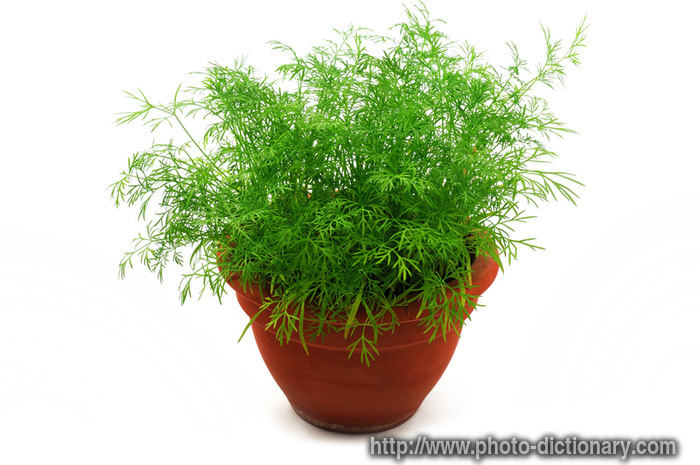
The leaves are thin, wispy and fern like. The plant yields two different herbs: dill seed (the fruit of the plant) and dill weed (the top eight inches of the leaves). Dill blooms and sets seeds when nights are short and days are warm. The delicate, feathery plants are blue green and grow from 3 to 5 feet tall. Dill requires to be fertilized in the early spring, this will ensure hearty growth throughout the summer. 

The dill plants should be sheltered from winds. Although necessary for good pickles, there are many more ways dill can be used. Dill is tasty with eggs and poached fish, especially salmon. Add fresh dill to pasta or marinate chicken in plain yogurt and lots of fresh dill before grilling. Use fresh dill in potato salad, coleslaw, fresh beets, muffins and hollandaise sauce. Dill seed improves digestion and appetite and sweetens the breath. The oil kills bacteria and relieves flatulence."

Dill leaves can be snipped and frozen in ziplock bags. Dill vinegar can be prepared by soaking a few leaves in vinegar for 4 or 5 days. Dill leaves are excellent when chopped and used in soups, salads, cottage cheese, roasted potatoes, and many other dishes. Dill is also used extensively in Europe to flavor cakes and other pastries.


Growing Dill

Growing Cultures
Outdoors, containers (sow directly in pots, do not transplant, 8 to 20 seeds per pot), hydroponics.

Plant Height
Dill grows to a height of 24 to 36 inches (60 - 90cm).

Plant Spacing
Dill plants should be spaced 12 to 15 inches (30 - 38cm) apart.

Preferred pH Range
Dill will grow in a relatively wide pH range between 5.5 (strongly acidic) and 7.5 (mildly alkaline) with a preferred range between 5.5 and 6.5.

Propagation
From seed. Direct sow outdoors in fall or in spring after last frost.

Seed Germination Period
7 to 10 days.

Seeds Per Gram (Approximate)
Between 400 and 1000.

Soil Requirements
Well-drained, moderately rich, loose soil.

Alternative Growing Media
soiless potting mixes, perlite, vermiculite, rock wool, coco peat, Oasis foam.

Time From Seed to Plant
Six weeks.

Sun & Lighting Requirements
Dill grown outdoors prefers full sun.

Dill grows well indoors under high output fluorescent plant lights and high intensity halide and sodium lamps.

USDA Hardiness
Annual. Not applicable.

Water Requirements
Water on a regular schedule, do not over water.

Potential Pests & Diseases
Aphids. Powdery mildew.

Special Notes
Dill is known to attract bees, butterflies or birds.


GROWING DILL


HARVESTING DILL SEEDS


FRESH DILL READY FOR DE HYDRATING


HERB ... CORIANDER

Follow THEMADHATTERXXX on Twitter

CORIANDER


An annual or biennial herb (Coriandrun sativum), of the Parsley Family, grown for it's aromatic seeds which are used for flavoring liquors and confections. The plants, which grow about 2 feet high, are cultivated in rows about 18 inches apart, generally from seed sown in early spring. The seed heads which ripen about midsummer are gathered and dried, then beaten with light rods or flails to spearate the seeds.


The leaves are most commonly referred to as cilantro and have a much different taste from the seeds, one that is similar to parsley with a dash of citrus flavor.


Growing Cilantro / Coriander

Growing Cultures
Outdoors, containers (sow directly in pots, do not transplant as root disturbance causes early bolting), hydroponics.

Plant Height
Cilantro / Coriander grows to a height of 18 to 24 inches (45 - 60cm).

Plant Spacing
Cilantro / Coriander plants should be spaced 9 to 12 inches (22 - 30cm) apart.

Preferred pH Range
Cilantro / Coriander will grow in a relatively wide pH range between 6.1 (mildly acidic) and 7.8 (mildly alkaline) with a preferred range between 6.5 and 7.5.

Propagation
From seed. Direct sow outdoors after last frost. Start seeds indoors six weeks before planting outdoors.

Seed Germination Period
7 to 10 days.

Seeds Per Gram (Approximate)
Between 110 and 150.

Soil Requirements
Deep, fertile, light or heavy, but well-draining.

Alternative Growing Media
Soilless potting mixes, perlite, vermiculite, rockwool, coco peat, Oasis foam.

Time From Seed to Saleable Plant
Six weeks.

Sun & Lighting Requirements
Cilantro / Coriander grown outdoors for Coriander seed prefers full sun. Cilantro / Coriander grown outdoors for leaves can tolerate some shade.


USDA Hardiness
Annual.

Water Requirements
Water on a regular schedule, do not overwater.

Potential Pests & Diseases
Aphids, thrips, mites, & whitefly. Minimal disease issues.

Special Notes
Cilantro / Coriander is known to attract bees, butterflies or birds, has fragrant blossoms and aromatic foliage. Cilantro / Coriander self-sows freely; remove flowers (deadhead) if you do not want volunteer seedlings the following season.


PLANTING CORIANDER IN A POT


HOW TO STORE CORIANDER LEAVES


HERB ... GARDEN

Follow THEMADHATTERXXX on Twitter


Container Gardening: Container Herb Garden

Container gardening is a great way to grow plants, vegetables and herbs without needing a lot of space. Herbs do especially well and can be grown right outside your kitchen door.


How To Build A Windowsill Hydroponic Herb Garden 

(Part 1 of 2)


A step by step how to build a small windowsill deep water culture herb garden for 8 plants, showing what nutrients to use and the amount of nutreint to add.


(Part 2 of 2)